
Justice and Private Loyalty
The Mysterious Affair at StylesThe characters struggle between protecting loved ones, preserving reputation, and pursuing truth, while Poirot’s choices impose their own moral cost.
increasing Bearing strength in each event
 decreasing
Bearing strength in each eventdecreasingA Request for Discretion
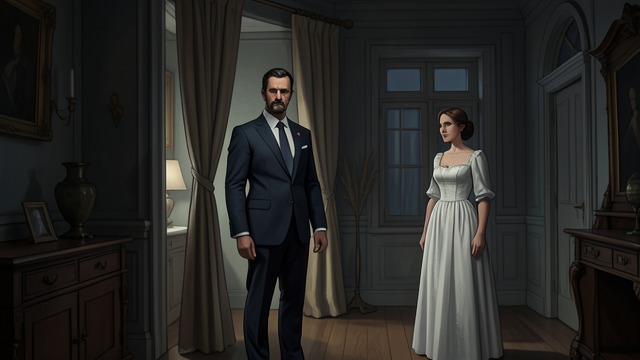
Family Reputation
Fear of Publicity
John asks Poirot to avoid unnecessary scandal as the household confronts the possibility of murder. His concern is partly humane, but it also reflects the family’s wish to keep private troubles private.
The Limits of Silence
The investigation cannot respect secrecy when evidence may identify a killer. Poirot accepts the need for discretion without allowing it to replace truth.
Evelyn Considers Silence
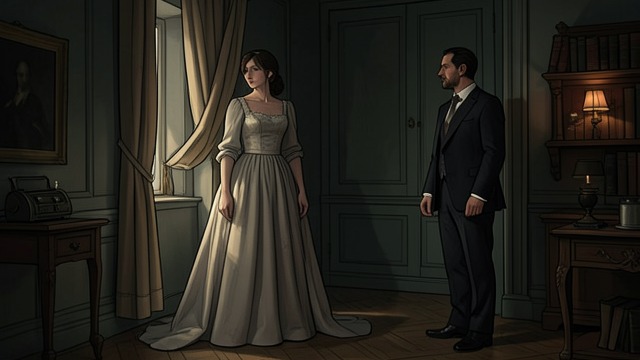
Loyalty Put to the Test
Protecting Emily’s Memory
Evelyn briefly suggests that the truth might be hushed up, invoking what Emily herself might have wanted. Her hesitation shows how affection can become an argument against accountability.
Justice Chosen
Poirot rejects concealment, and Evelyn ultimately declares herself on the side of justice. The moment becomes tragic in retrospect because she has participated in the crime she claims to oppose.
Mary Protects John
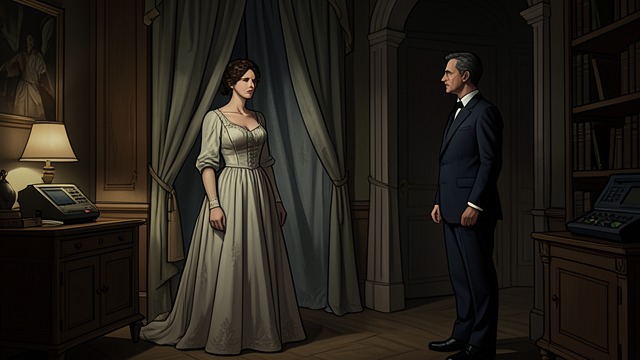
Concealment for Love
The Hidden Visit
Mary conceals that she entered Emily’s room because she fears the truth will not help John and may expose her own jealousy. She chooses silence over complete candor.
A Lie Without Murder
Poirot identifies her deception but distinguishes it from the poisoning. Her actions show that concealment can arise from fear and pride without making every secret criminal.
Poirot Risks John’s Trial

A Deliberate Moral Gamble
The Missing Link
Poirot knows John is guilty but cannot yet prove the case against him. He could reveal facts that might save John sooner, but that may also allow the real conspirators to escape.
Happiness Versus Justice
He lets the trial proceed, believing the danger may restore John and Mary’s marriage. His choice makes justice instrumental to private happiness and exposes the troubling cost of his confidence.
Truth Finally Public

Private Knowledge Made Public
Evidence Secures the Case
The recovered letter allows Poirot to expose the conspirators before the household and police. Private certainty finally becomes evidence capable of producing legal consequences.
A Mixed Resolution
John and Mary reunite, while Alfred and Evelyn are arrested. The ending offers emotional restoration but does not erase the moral risk of allowing an innocent man to face a murder trial.
Morning after Emily’s death
After the inquest
During the murder investigation
Before John’s trial
Near the ending
